Our blog

News and Insights

Explore expert perspectives, regional updates, and strategic analysis on the issues that matter across the Global South
Clear All
Thank you! Your submission has been received!
Oops! Something went wrong while submitting the form.
The Speyside Latin America team analyzes how the global energy transition is driving a structural transformation in Brazil’s mining sector. The accelerating demand for Critical Minerals (such as lithium, nickel, graphite, niobium, and rare earth elements) has fundamentally altered the investment landscape. Environmental performance, supply chain traceability, and climate alignment are no longer mere reputational differentiators; they are now strict preconditions for market access, strategic partnerships, and project bankability
Latin America

Brazil’s Critical Minerals: How the Energy Transition Is Reshaping Investment and Regulation

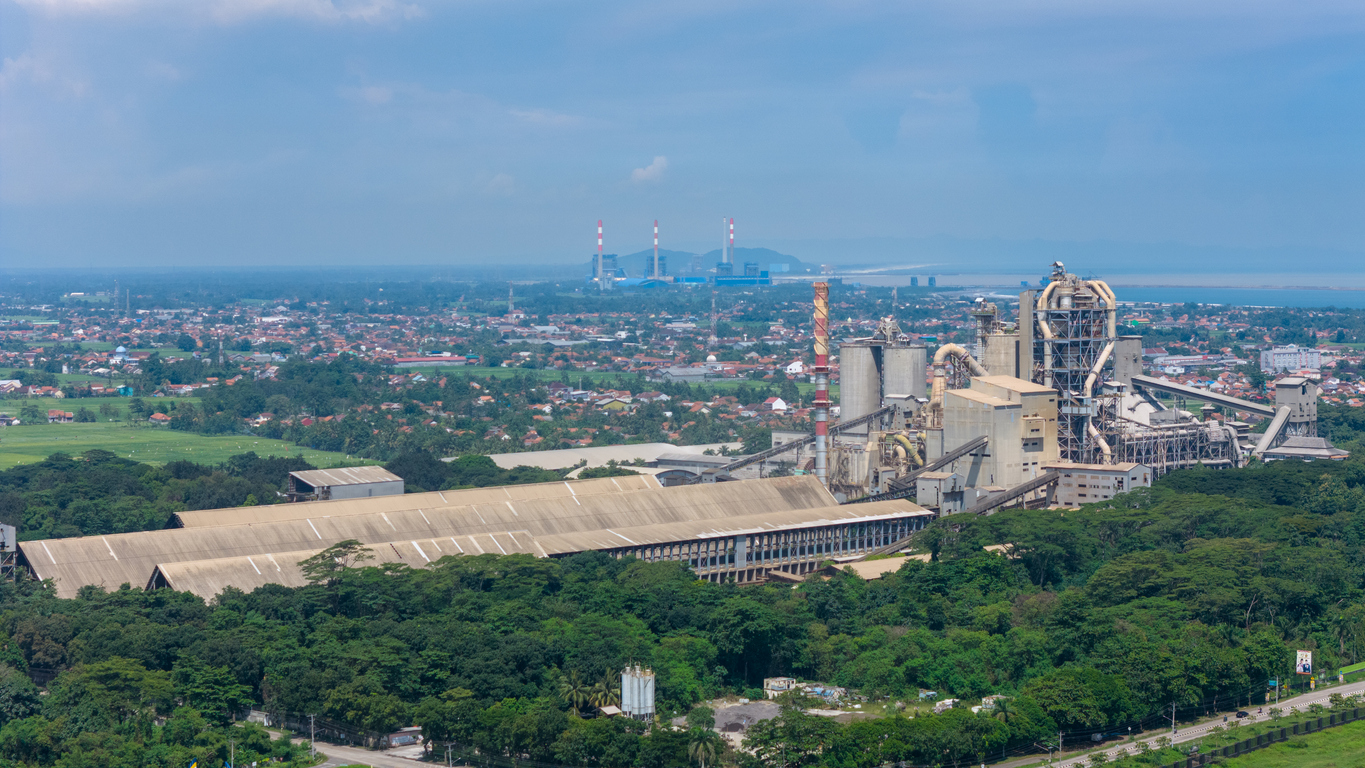
The Speyside Latin America team analyzes how the global energy transition is driving a structural transformation in Brazil’s mining sector. The accelerating demand for Critical Minerals (such as lithium, nickel, graphite, niobium, and rare earth elements) has fundamentally altered the investment landscape. Environmental performance, supply chain traceability, and climate alignment are no longer mere reputational differentiators; they are now strict preconditions for market access, strategic partnerships, and project bankability
Read post
Speyside Group analyzes Hungary’s 2026 parliamentary elections on 12 April. The elections represent a critical inflection point with direct implications for businesses and investors. Polls suggest a lead for the opposition Tisza party, but structural features of the electoral system and entrenched Fidesz influence mean policy change is likely to be gradual and uneven, creating ongoing regulatory and political uncertainty. The outcome will shape Hungary’s EU engagement, access to funding, sectoral policy, and geopolitical positioning, with implications for market access, fiscal stability, and operational risk. Companies should prioritize regulatory foresight, stakeholder engagement, and adaptable strategies to navigate a transitional environment where political shifts may not immediately translate into predictable policy outcomes.
Public Affairs

Hungary’s April 2026 Elections: Why This Vote Matters for Policy and Business

Speyside Group analyzes Hungary’s 2026 parliamentary elections on 12 April. The elections represent a critical inflection point with direct implications for businesses and investors. Polls suggest a lead for the opposition Tisza party, but structural features of the electoral system and entrenched Fidesz influence mean policy change is likely to be gradual and uneven, creating ongoing regulatory and political uncertainty. The outcome will shape Hungary’s EU engagement, access to funding, sectoral policy, and geopolitical positioning, with implications for market access, fiscal stability, and operational risk. Companies should prioritize regulatory foresight, stakeholder engagement, and adaptable strategies to navigate a transitional environment where political shifts may not immediately translate into predictable policy outcomes.
Read post
Speyside Group analyzes the transformative "Great Healthcare Plan" of 2026, which has fundamentally redefined Pharmaceutical Market Access by linking U.S. drug pricing to international benchmarks. This shift toward a "glocal" strategy means that negotiation outcomes in Europe or APAC now act as a direct Global Price Anchor for the American market, effectively collapsing the divide between domestic and international pricing.
Healthcare

The Global Price Anchor: Why 2026 is the Year of the "Glocal" Drug Strategy

Speyside Group analyzes the transformative "Great Healthcare Plan" of 2026, which has fundamentally redefined Pharmaceutical Market Access by linking U.S. drug pricing to international benchmarks. This shift toward a "glocal" strategy means that negotiation outcomes in Europe or APAC now act as a direct Global Price Anchor for the American market, effectively collapsing the divide between domestic and international pricing.
Read post
The Speyside Latin America team analyzes the seismic shift in Venezuela following the U.S. military operation "Operation Absolute Resolve" and the arrest of Nicolás Maduro in January 2026. This event has triggered a Crisis management scenario, resulting in a transitional government under Delcy Rodríguez subject to direct U.S. oversight. With the world's largest proven oil reserves of 303 billion barrels and vast critical mineral deposits, Venezuela presents high-stakes opportunities for investors in high growth and emerging markets. Our analysis covers the immediate bullish reaction in the energy sector—with major gains for companies like Chevron and Halliburton—and the strategic race to secure assets in the Orinoco Mining Arc. Navigating this volatile landscape requires robust Corporate Affairs strategies to manage regulatory changes and complex stakeholder engagement.
Public Affairs

Venezuela's Transition: Maduro's Capture, Legal Framework, and the Race for Strategic Resources.

The Speyside Latin America team analyzes the seismic shift in Venezuela following the U.S. military operation "Operation Absolute Resolve" and the arrest of Nicolás Maduro in January 2026. This event has triggered a Crisis management scenario, resulting in a transitional government under Delcy Rodríguez subject to direct U.S. oversight. With the world's largest proven oil reserves of 303 billion barrels and vast critical mineral deposits, Venezuela presents high-stakes opportunities for investors in high growth and emerging markets. Our analysis covers the immediate bullish reaction in the energy sector—with major gains for companies like Chevron and Halliburton—and the strategic race to secure assets in the Orinoco Mining Arc. Navigating this volatile landscape requires robust Corporate Affairs strategies to manage regulatory changes and complex stakeholder engagement.
Read post
The Speyside Healthcare team forecasts that 2026 will be a year of structured reform, following a 2025 defined by sharp contrasts between rising geopolitical risks and scientific breakthroughs. As supply chains face pressure from tariffs and "Most Favoured Nation" policies, the industry requires robust Crisis management strategies to navigate pricing volatility. Our analysis highlights a critical shift in high-growth and emerging markets toward value-based healthcare, the integration of AI-driven diagnostics, and a renewed Corporate Affairs focus on the global infertility crisis.
Healthcare

Prescription for 2026: What’s in store for the healthcare industry next year?

The Speyside Healthcare team forecasts that 2026 will be a year of structured reform, following a 2025 defined by sharp contrasts between rising geopolitical risks and scientific breakthroughs. As supply chains face pressure from tariffs and "Most Favoured Nation" policies, the industry requires robust Crisis management strategies to navigate pricing volatility. Our analysis highlights a critical shift in high-growth and emerging markets toward value-based healthcare, the integration of AI-driven diagnostics, and a renewed Corporate Affairs focus on the global infertility crisis.
Read post
The Speyside Latin America team is closely monitoring the volatile situation in Venezuela, a resource-rich nation that remains a complex puzzle for emerging markets investors. With vast reserves but significant political instability, the energy and mining sectors face a critical window for strategic positioning. Navigating this landscape requires robust Corporate Affairs Latin America strategies and Crisis management planning to handle potential scenarios ranging from political continuity to negotiated transition.
Latin America

Venezuela at a Crossroads: Navigating Political Uncertainty for Energy and Mining Businesses.

The Speyside Latin America team is closely monitoring the volatile situation in Venezuela, a resource-rich nation that remains a complex puzzle for emerging markets investors. With vast reserves but significant political instability, the energy and mining sectors face a critical window for strategic positioning. Navigating this landscape requires robust Corporate Affairs Latin America strategies and Crisis management planning to handle potential scenarios ranging from political continuity to negotiated transition.
Read post
The Speyside Latin America team is analyzing the outcomes of COP30 in Belém, a critical event for high-growth and emerging markets navigating the climate crisis. While the summit faced challenges due to the absence of key global powers, it established vital working groups on hydrogen, bioeconomy, and urban resilience, which are highly relevant to our Speyside Power & Renewables practice. For businesses, this gradual progress signals a need for sustained Corporate Affairs engagement to translate these new frameworks into actionable opportunities ahead of COP31.
Latin America

COP30: Navigating Between Ambition and Reality ​

The Speyside Latin America team is analyzing the outcomes of COP30 in Belém, a critical event for high-growth and emerging markets navigating the climate crisis. While the summit faced challenges due to the absence of key global powers, it established vital working groups on hydrogen, bioeconomy, and urban resilience, which are highly relevant to our Speyside Power & Renewables practice. For businesses, this gradual progress signals a need for sustained Corporate Affairs engagement to translate these new frameworks into actionable opportunities ahead of COP31.
Read post
The Speyside Healthcare team is analyzing the deepening crisis of Antimicrobial Resistance (AMR) in 2025, a systemic failure in global health governance that threatens emerging markets. With over 1.27 million deaths attributable to AMR annually and a fragile innovation pipeline, the crisis is driven by gaps in surveillance, poor economic incentives, and stalled National Action Plans. Addressing this requires sophisticated Corporate Affairs strategies to align pharmaceutical innovation, "One Health" governance, and sustainable financing models.
Healthcare

Antimicrobial Resistance in 2025: A Deepening Structural Crisis in Global Health Governance

The Speyside Healthcare team is analyzing the deepening crisis of Antimicrobial Resistance (AMR) in 2025, a systemic failure in global health governance that threatens emerging markets. With over 1.27 million deaths attributable to AMR annually and a fragile innovation pipeline, the crisis is driven by gaps in surveillance, poor economic incentives, and stalled National Action Plans. Addressing this requires sophisticated Corporate Affairs strategies to align pharmaceutical innovation, "One Health" governance, and sustainable financing models.
Read post
The Speyside Central Eastern Europe team is closely analyzing the transformative infrastructure modernization in these key high-growth and emerging markets. Massive EU-funded projects (CPK, Rail Baltica) are creating major opportunities, but success requires navigating complex procurement and political dynamics. Our Corporate Affairs and public policy expertise is essential for guiding international companies through this evolving landscape.
Public Affairs

A New Era of Opportunity - Infrastructure Modernization in CEE

The Speyside Central Eastern Europe team is closely analyzing the transformative infrastructure modernization in these key high-growth and emerging markets. Massive EU-funded projects (CPK, Rail Baltica) are creating major opportunities, but success requires navigating complex procurement and political dynamics. Our Corporate Affairs and public policy expertise is essential for guiding international companies through this evolving landscape.
Read post
The Speyside Latin America team is closely analyzing Brazil's high-stakes decision to authorize drilling in the Foz do Amazonas Basin, a pivotal development in one of the world's most critical high-growth and emerging markets. This move, occurring just weeks before Brazil hosts COP30, signals a complex balancing act between national energy security and global climate commitments. As experts in the energy sector, the Speyside's team is monitoring the impact
Energy

Brazil Approves Drilling in the Foz do Amazonas Basin Ahead of COP30

The Speyside Latin America team is closely analyzing Brazil's high-stakes decision to authorize drilling in the Foz do Amazonas Basin, a pivotal development in one of the world's most critical high-growth and emerging markets. This move, occurring just weeks before Brazil hosts COP30, signals a complex balancing act between national energy security and global climate commitments. As experts in the energy sector, the Speyside's team is monitoring the impact
Read post
Rising resource nationalism in Africa's booming mining sector is forcing companies to evolve their public policy and stakeholder management beyond government engagement to secure their license to operate. The Speyside Africa team is analyzing this shift, which requires adopting a community-led approach, as demands for local benefits and jobs are increasingly driven from the bottom up by a young population seeking economic opportunities in this high-growth market. To navigate this landscape, miners must invest in downstream development and sustainable local economic benefits, addressing the growing pressure for domestic value creation from critical minerals and other resources.
Energy

Evolving mining stakeholder management in the face of resource nationalism: Adopting a community-led approach to secure license to operate

Rising resource nationalism in Africa's booming mining sector is forcing companies to evolve their public policy and stakeholder management beyond government engagement to secure their license to operate. The Speyside Africa team is analyzing this shift, which requires adopting a community-led approach, as demands for local benefits and jobs are increasingly driven from the bottom up by a young population seeking economic opportunities in this high-growth market. To navigate this landscape, miners must invest in downstream development and sustainable local economic benefits, addressing the growing pressure for domestic value creation from critical minerals and other resources.
Read post
Rising food prices in Central and Eastern Europe have triggered government interventions that are reshaping the Food and Beverage sector. Romania’s statutory price caps and Slovakia’s transparency tools highlight the growing policy risks. F&B companies face challenges with margins, contracts, operations and reputation as political pressure on food inflation intensifies
Food and Beverage

Policy Headwinds for F&B: Navigating Price Controls and Political Pressure

Rising food prices in Central and Eastern Europe have triggered government interventions that are reshaping the Food and Beverage sector. Romania’s statutory price caps and Slovakia’s transparency tools highlight the growing policy risks. F&B companies face challenges with margins, contracts, operations and reputation as political pressure on food inflation intensifies
Read post

Showing items 1 to3 of 6