
Our blog
News and Insights
Explore expert perspectives, regional updates, and strategic analysis on the issues that matter across the Global South

Latin America
How Do Elections Affect Business in Emerging Markets? Lessons from Latin America
Speyside Group provides a strategic perspective on how geopolitical risk shapes electoral outcomes and business operating environments across Latin America. Elections test whether governments can govern, not merely their ideological direction. Institutional capacity, legislative coalitions, and external pressures reshape the investment landscape more than electoral mandates alone, requiring investors to assess each country's capacity to implement policy.
Read more
Thank you! Your submission has been received!
Oops! Something went wrong while submitting the form.

APAC
Why Australia is No Longer a Two-Speed Economy
Speyside Group provides a strategic perspective on why the traditional Australian two-speed economy framing no longer describes the country adequately. Western Australia produced 45.4 per cent of national goods exports in 2025, but other important divisions cut across State and Territory lines: between metropolitan, regional and remote communities, and between established property owners, renters and prospective buyers. For investors and corporate affairs leaders, mapping the wrong divides produces the wrong engagement strategy
Read post
Latin America
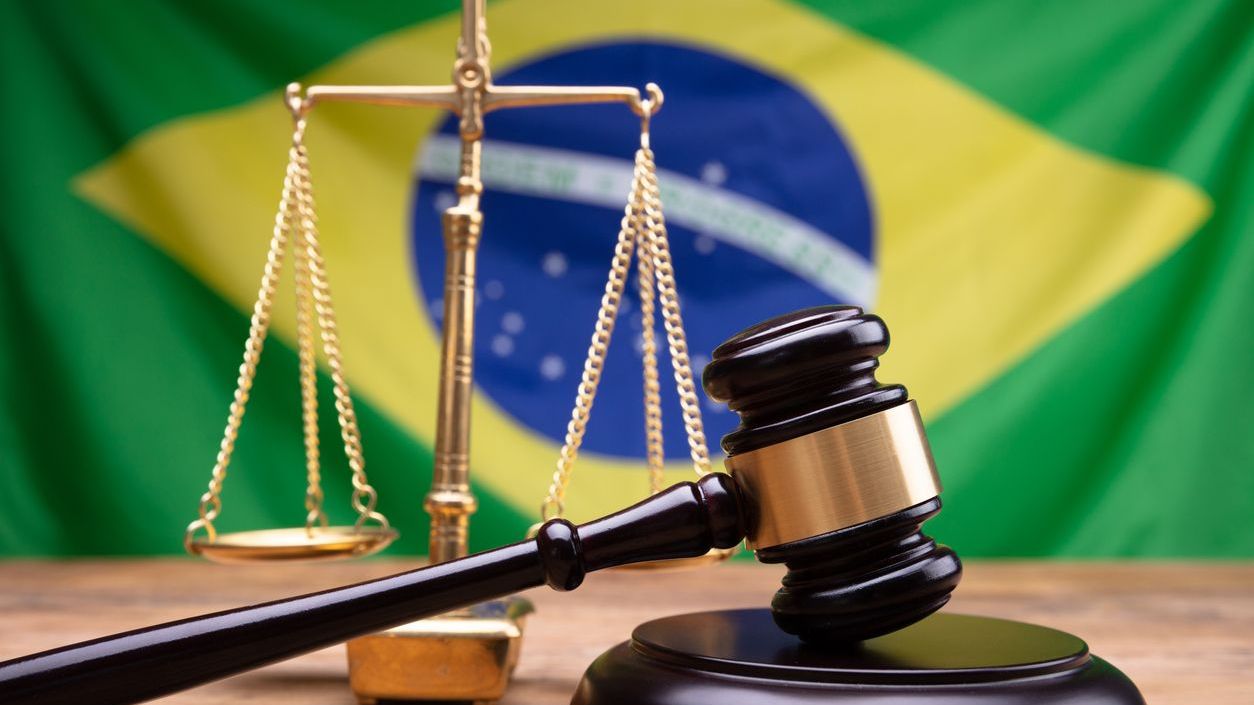
Brazil Approves New Critical Minerals Policy
Speyside Group provides a strategic perspective on Brazil's critical minerals policy, approved by the Senate on September 2, 2026 and now awaiting presidential sanction. The framework creates a national governance council, a R$2 billion mineral activity guarantee fund, and up to R$5 billion in tax credits for domestic processing. For investors and multinationals, it raises expectations on local value addition, traceability, and regulatory engagement, and makes registry qualification the gateway to every incentive.
Read post

Reputation Management
Reputation Gets Built Long Before the Headline
Speyside Group provides an overview on reputation risk. The analysis sets out three connected disciplines: continuous mapping of inward and outward risk, stakeholder engagement built relationship by relationship rather than aimed at a general public, and issue management.
Read post
.jpg)
Healthcare
What Is Compassionate Use and How Does It Work in Latin America, Africa and Asia?
Speyside Group provides a strategic perspective on compassionate use regulations across Latin America, Africa, and Asia, mapping how patients with serious or life-threatening conditions access unapproved medicines outside a clinical trial. The analysis compares Brazil's RDC 38/2013, South Africa's Section 21, and Asia's more codified frameworks, and outlines the practical questions multinational pharmaceutical companies must answer before running a program in any given market.
Read post

Healthcare
How do pharma companies engage healthcare policy in Latin America?
Speyside Group provides a strategic perspective on how pharmaceutical companies influence healthcare policy in Latin America, mapping the seven principal channels of engagement across the region's leading regulatory and reimbursement bodies. Drawing on CONITEC data, Brazil's Partnerships for Productive Development, and coalition-building work with groups such as ERCAL and ILAR, the analysis shows why evidence generation and multi-stakeholder consensus consistently outperform formal lobbying in this market.
Read post
APAC
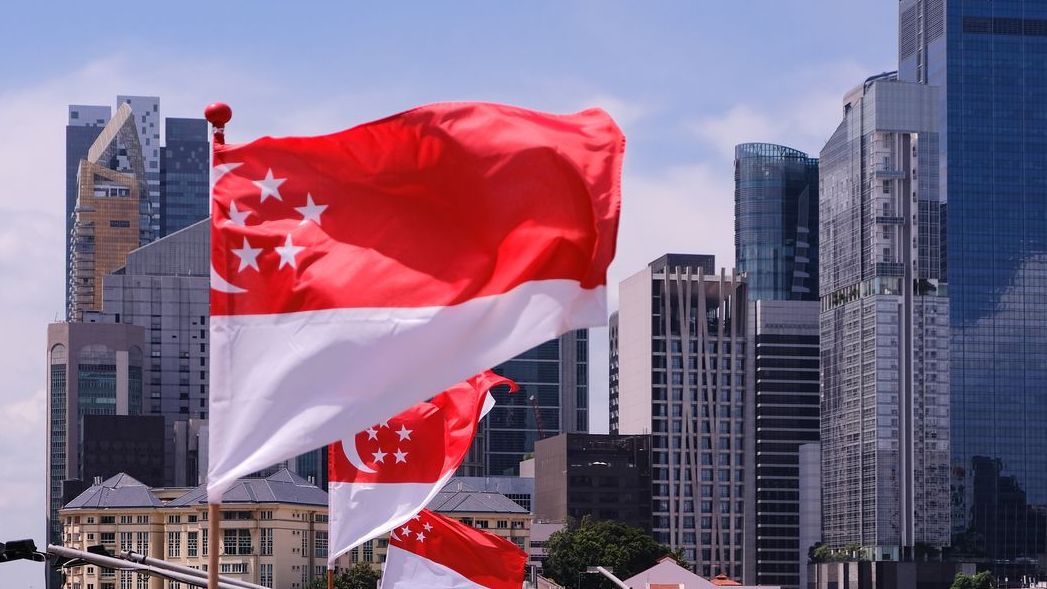
Singapore Puts Energy at the Center
Speyside Group provides a strategic perspective on Singapore's renaming of the Ministry of Trade and Industry to the Ministry of Energy, Trade and Industry (METI), effective October 1, 2026. The analysis examines what this Cabinet-level elevation of energy policy means for data center and AI-infrastructure operators, cross-border power trading under the ASEAN Power Grid, and the institutional signals investors should track through 2027.
Read post

Healthcare
How Do Pharmaceutical Companies Engage Patient Advocacy Groups (PAGs) in Emerging Markets?
Speyside Group provides a strategic perspective on patient advocacy group engagement in emerging markets, examining how multinational pharmaceutical companies structure compliant, locally embedded partnerships across Latin America, Asia, and Africa. Drawing on cases from Brazil, India, and Ghana, the analysis outlines the funding caps, disclosure practices, and neutral-channel strategies that separate durable market access programs from reputational and regulatory risk.
Read post

Public Affairs
Zambia Elections Outlook: A Test for President Hichilema
Speyside Group provides an analytical assessment of the Zambia elections 2026, examining a race that has narrowed significantly since early polling showed President Hakainde Hichilema commanding above 60% support. With the August 13 vote approaching, the emergence of Brian Mundubile and the Tonse-Pamodzi Alliance has transformed what many assumed would be a straightforward incumbency win into a competitive contest, with material implications for investors in Zambia’s mining sector and broader operating environment.
Read post
Public Affairs
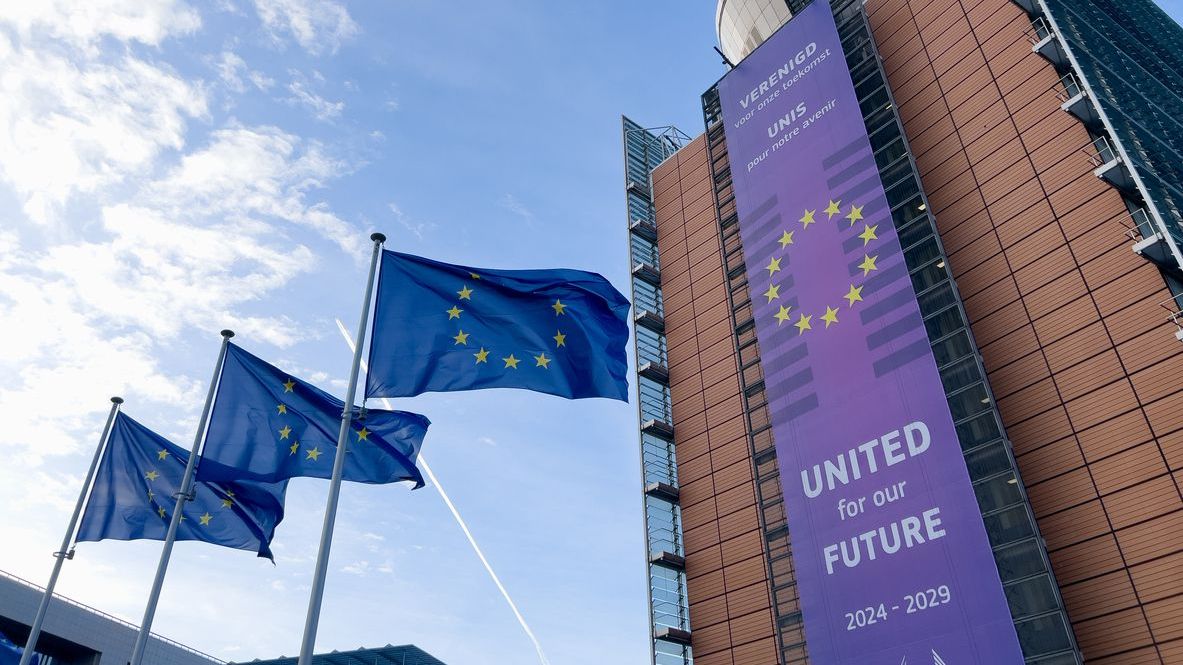
PPWR Implementation Debate Intensifies: CEE Pushes for Clarity as August Deadline Nears
Speyside Group provides a strategic perspective on PPWR implementation 2026, examining the political and commercial risks emerging as the EU Packaging and Packaging Waste Regulation (Regulation (EU) 2025/40) approaches its August 12, 2026 application date. With a CEE-led coalition of eight Member States pressing the Commission for clarity, unresolved PFAS testing methodologies, and around 30 delegated acts still pending, the article identifies the key compliance pressure points and investment risks for businesses operating across the Single Market.
Read post

Latin America
The Real Power Map for Brazil's Next President: Congress, the Courts, and the Central Bank.
Speyside examines what Brazil's 2026 election will and will not change. The question that matters more for companies working in the country isn't who wins in October, but how much real power either candidate will have in a system where Congress, the courts, and independent institutions are increasingly the ones calling the shots
Read post

Social License To Operate
The most expensive risk in mining rarely appears in the financial model.
Speyside Group provides an analytical assessment of the social license to operate in mining and the above-ground risks now shaping critical minerals investment across Asia Pacific. As permitting, community influence, and resource nationalism intensify, technical strength alone no longer guarantees returns. This insight examines how investors can evaluate permitting, social legitimacy, and operating-environment stability, and how companies can build the trust that increasingly determines market access, project delivery, and long-term value.
Read post

Food and Beverage
The Food and Feed Safety Omnibus: A New Chapter in Europe's Deregulatory Agenda?
Speyside Group analyzes the implications of the European Commission's Food and Feed Safety Simplification Package, one of the most consequential initiatives emerging from Brussels' expanding Omnibus agenda. As the European Union seeks to strengthen competitiveness, accelerate innovation, and reduce regulatory burdens, the proposal has become a test of whether procedural simplification can be achieved without weakening the precautionary principles that have long defined European food governance.
Read post
Showing items 1 to3 of 6