
Our blog
News and Insights
Explore expert perspectives, regional updates, and strategic analysis on the issues that matter across the Global South

Latin America
Colombia's Mining comeback is defined territory by territory
Colombia’s mining sector is attracting renewed investment, but national reforms alone are not enough. Environmental permits, illegal mining, community consultation and local dynamics will determine success, making territorial understanding and social licence essential for mining companies.
Read more
Thank you! Your submission has been received!
Oops! Something went wrong while submitting the form.
Latin America
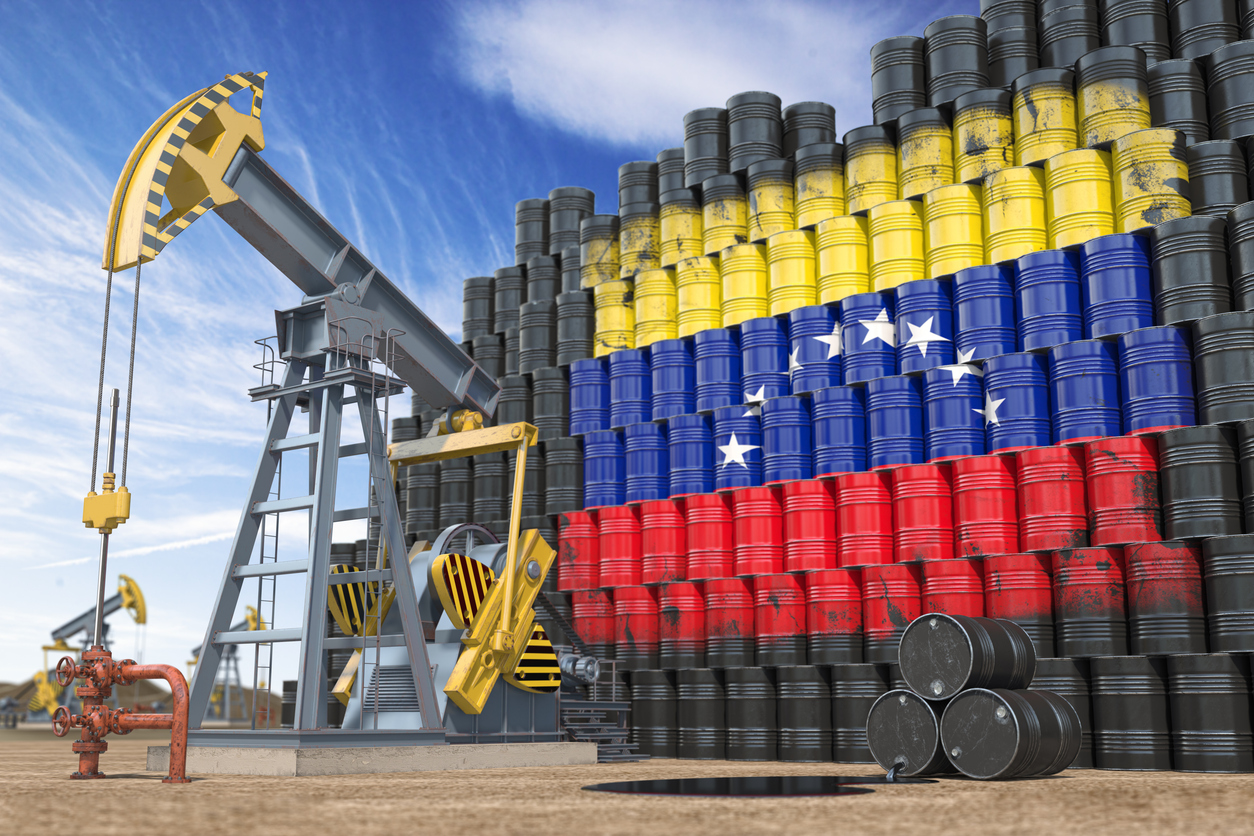
Venezuela at a Crossroads: Navigating Political Uncertainty for Energy and Mining Businesses.
Speyside Group Latin America is closely monitoring the volatile situation in Venezuela, a resource-rich nation that remains a complex puzzle for emerging markets investors. With vast reserves but significant political instability, the energy and mining sectors face a critical window for strategic positioning. Navigating this landscape requires robust Corporate Affairs Latin America strategies and Crisis management planning to handle potential scenarios ranging from political continuity to negotiated transition.
Read post

Latin America
COP30: Navigating Between Ambition and Reality
The Speyside Latin America team is analyzing the outcomes of COP30 in Belém, a critical event for high-growth and emerging markets navigating the climate crisis. While the summit faced challenges due to the absence of key global powers, it established vital working groups on hydrogen, bioeconomy, and urban resilience, which are highly relevant to our Speyside Power & Renewables practice. For businesses, this gradual progress signals a need for sustained Corporate Affairs engagement to translate these new frameworks into actionable opportunities ahead of COP31.
Read post

Healthcare
Antimicrobial Resistance in 2025: A Deepening Structural Crisis in Global Health Governance
The Speyside Healthcare team is analyzing the deepening crisis of Antimicrobial Resistance (AMR) in 2025, a systemic failure in global health governance that threatens emerging markets. With over 1.27 million deaths attributable to AMR annually and a fragile innovation pipeline, the crisis is driven by gaps in surveillance, poor economic incentives, and stalled National Action Plans. Addressing this requires sophisticated Corporate Affairs strategies to align pharmaceutical innovation, "One Health" governance, and sustainable financing models.
Read post

Public Affairs
A New Era of Opportunity - Infrastructure Modernization in CEE
The Speyside Central Eastern Europe team is closely analyzing the transformative infrastructure modernization in these key high-growth and emerging markets. Massive EU-funded projects (CPK, Rail Baltica) are creating major opportunities, but success requires navigating complex procurement and political dynamics. Our Corporate Affairs and public policy expertise is essential for guiding international companies through this evolving landscape.
Read post

Energy
Brazil Approves Drilling in the Foz do Amazonas Basin Ahead of COP30
The Speyside Latin America team is closely analyzing Brazil's high-stakes decision to authorize drilling in the Foz do Amazonas Basin, a pivotal development in one of the world's most critical high-growth and emerging markets. This move, occurring just weeks before Brazil hosts COP30, signals a complex balancing act between national energy security and global climate commitments. As experts in the energy sector, the Speyside's team is monitoring the impact
Read post

Energy
Evolving mining stakeholder management in the face of resource nationalism: Adopting a community-led approach to secure license to operate
Rising resource nationalism in Africa's booming mining sector is forcing companies to evolve their public policy and stakeholder management beyond government engagement to secure their license to operate. The Speyside Africa team is analyzing this shift, which requires adopting a community-led approach, as demands for local benefits and jobs are increasingly driven from the bottom up by a young population seeking economic opportunities in this high-growth market. To navigate this landscape, miners must invest in downstream development and sustainable local economic benefits, addressing the growing pressure for domestic value creation from critical minerals and other resources.
Read post

Food and Beverage
Policy Headwinds for F&B: Navigating Price Controls and Political Pressure
Rising food prices in Central and Eastern Europe have triggered government interventions that are reshaping the Food and Beverage sector. Romania’s statutory price caps and Slovakia’s transparency tools highlight the growing policy risks. F&B companies face challenges with margins, contracts, operations and reputation as political pressure on food inflation intensifies
Read post

Public Affairs
Czechia & Hungary’s Political Crossroads: Navigating Upcoming Elections and Uncertainty
The Speyside Central Eastern Europe team is analyzing the upcoming pivotal elections in Czechia (October 2025) and Hungary (April 2026), two of the region's key high-growth markets, which are creating significant business uncertainty across Central and Eastern Europe. In the Czech election, Andrej Babiš's populist ANO party is leading polls but faces a difficult path to forming a government, signaling potential gridlock. Meanwhile, the Hungarian election presents a novel challenge to Viktor Orbán's Fidesz from Péter Magyar's new Tisza party, though the incumbent retains structural advantages. For businesses, these political crossroads mean predictable policy delays, regulatory instability, and shifting EU relations, requiring flexible engagement and strategic planning in corporate affairs strategies for multiple outcomes.
Read post

Healthcare
Healthcare Investment: A Path to Economic Prosperity in the Global South
Spyeside team analyzes how investing in healthcare and establishing universal access pathways is crucial for accelerating societal and economic growth, especially in resource-constrained environments. Examples from the Global South demonstrate that universal coverage reforms and essential benefits packages not only improve health equity but also accelerate and sustain economic growth long-term.
Read post

Public Affairs
Thailand’s Political Upheaval: Navigating Power Shifts and Economic Uncertainty
Thailand's government is in upheaval after the Constitutional Court removed Prime Minister Paetongtarn Shinawatra, leading to the appointment of Anutin Charnvirakul. This new leadership, in a high-growth market, is based on a fragile, temporary agreement to dissolve Parliament within four months, stalling major legislation. The rapidly evolving situation demands sophisticated Corporate Affairs and crisis management from companies to navigate the political uncertainty and stakeholder fallout. For businesses, this means a period of significant uncertainty, as economic policy will be tactical and short-term rather than strategic. This situation demands sophisticated Corporate Affairs and crisis management from companies to navigate the political uncertainty and stakeholder fallout.
Read post

Public Affairs
Indonesia’s Protests: Implications for Governance and Business
Since 28 August 2025, Indonesia, a high-growth and emerging market, has witnessed a wave of nationwide demonstrations, with significant unrest concentrated in Jakarta, where clashes broke out between security forces and protesters organized by the Coalition of Labor Unions and the Labor Party. The Speyside Asia Pacific team is actively monitoring this issue. This unrest, sparked by government insensitivity and economic hardship, highlights the severe risks to business operations and investor confidence. The rapidly evolving situation demands sophisticated Corporate Affairs and crisis management from companies to navigate the political uncertainty and stakeholder fallout.
Read post

Public Affairs
Rearming the Continent: NATO’s Eastern Flank and the Future of European Security
Following Russia's invasion of Ukraine, European NATO members, particularly on the eastern flank, have dramatically increased defense spending, with many now exceeding 2% of their GDP. The Speyside Central Eastern Europe team is analyzing a structural shift in Europe's defense landscape, creating new opportunities in these key high-growth and emerging markets. The irreversible trend of rearmament, led by Poland and the Baltic states, is reshaping procurement, which is now tied to national industrial policy, supply chain resilience, and EU-level financing. This complex environment demands a sophisticated Corporate Affairs and government relations strategy for defense companies to navigate the multi-layered political, financial, and public sentiment landscape.
Read post
Showing items 1 to3 of 6